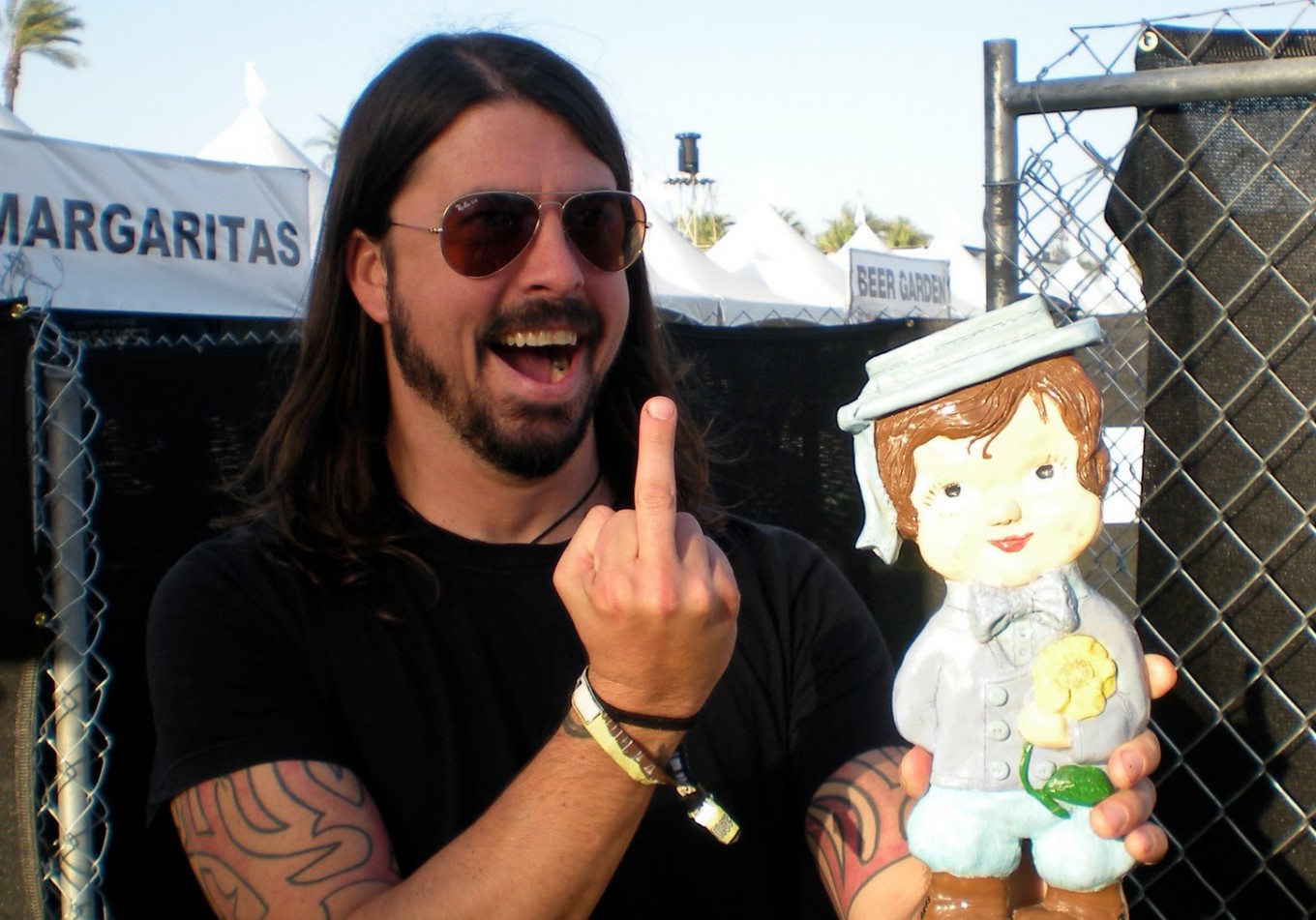
And now, Dave Grohl’s stance

Dave Grohl from an interview with Digital Spy on the Taylor Spotify narrative:

Me personally? I don’t fucking care. That’s just me, because I’m playing two nights at Wembley next summer. I want people to hear our music. I don’t care if you pay $1 or fucking $20 for it; just listen to the fucking song. But I can understand how other people would object to that. You want people to fucking listen to your music? Give them your music. And then go play a show. They like hearing your music? They’ll go see a show. To me it’s that simple, and I think it used to work that way. When we were young and in really noisy, crappy punk rock bands there was no career opportunity and we loved doing it and people loved fucking watching it and the delivery was completely face to face and personal. That’s what got people really excited about shit. Nowadays there’s so much focus on technology that it doesn’t really matter.

A lot of stuff I agree with here. The only caveat to this approach is the fact that it does become very easy to take this stance when you have such large established success and are able to play Wembley for two nights next summer. Not all artists are in that position. That said, I truly believe that Dave Grohl followed the path that he laid out to other artists in this interview to get to where he is today. A lot of people can misconstrue that fact thinking that he is talking down from his high pedestal when he really isn’t. What also should be noted is the argument that true artists should be doing it for the music and would be happy to have anyone “just listen to the fucking song”, despite the lack of a career opportunity that he points out. The success, fame, and money really ought to be byproducts (if they even happen at all) of the fact that you are creating art for the art’s sake, not the other way around.

Monument Valley and the value of art

I previously wrote about the value of music in regards to Taylor Swift removing her catalog from Spotify, and in regards to Spotify CEO Daniel Ek responding to the situation from his company’s perspective. In both pieces I’ve mentioned that the real issue is value. An artist’s valuation of their own work, and the public’s value of music in the form of what they are willing to pay to listen. This issue stretches beyond music and touches upon another issue which is relative value.

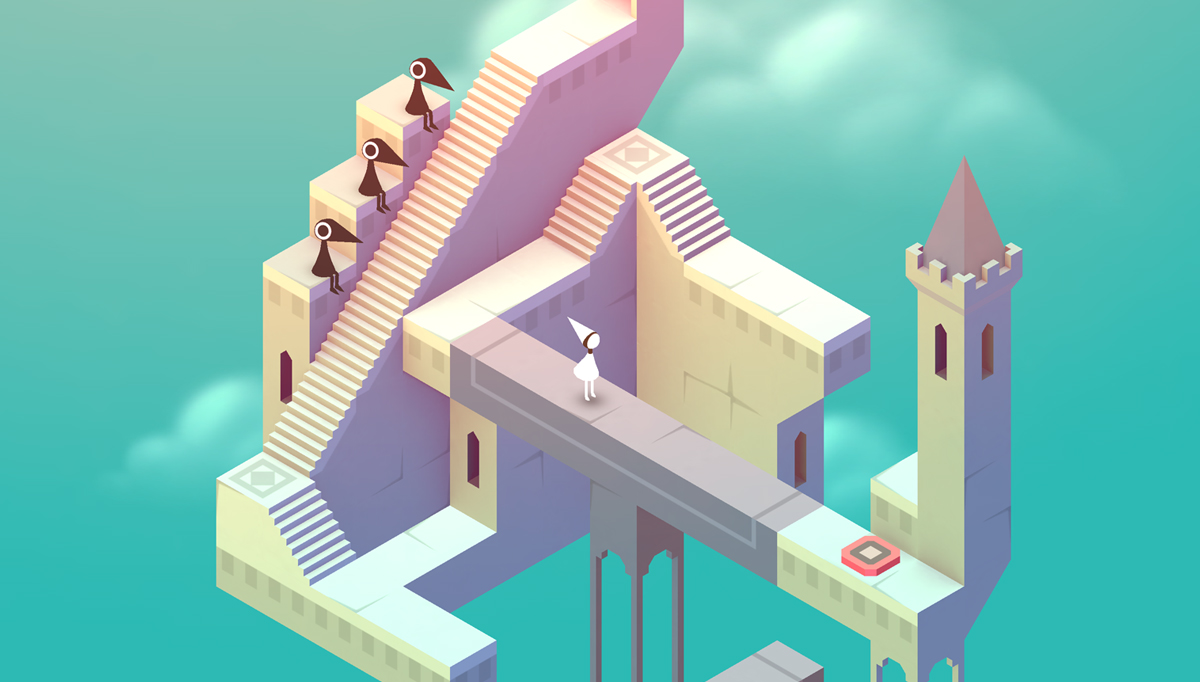
Earlier this year, developers ustwo released the critically acclaimed iOS game Monument Valley. The game was released as a $3.99 paid download and is a beautiful puzzle game centered around perception and M.C. Escher visuals. The art style, music, and story come together for a magnificent play across 10 gorgeous levels. Apple even recognized Monument Valley at their annual developer’s conference with an Apple Design Award for 2014.

Yesterday afternoon, ustwo released an update to Monument Valley which includes support for iPad, and includes a $1.99 in-app purchase expansion pack called Forgotten Shores. For the added money, players receive 8 all-new levels on top of getting the iPad support for free in the update. A slew of one-star reviews flooded the app’s store listing in response to having to pay two fucking dollars to receive nearly double the original amount of content. Take a look at some of these outrageous reviews:

Was not a in-app purchase but it is now

I’m disappointed by the decision to charge for the additional levels when the entire time monument valley’s design team promised new levels but failed to mention they would charge for those levels. When this app was first purchase by me it was with the understanding I would get more levels and not have to pay more seeing how I purchased the original app and the game goes very quickly. It’s fun but very short. It was never mentioned in the App Store or in the game new levels will be a up-charge. Since it was never disclosed I feel like the makers of the app did a injustice and also tricked me into buying the original game. I intentionally do not buy games with in-app purchases and this game should have remained that way as well. It’s not right to charge for new levels on a short game when you never disclosed you expected to charge for it![quote source=”2 year old coloring queen” rating=”1″][/quote]

Wow, you’ve hit an all time low…

Well, to start off, I was skeptical about initially purchasing this game for $4. However, I knew once I opened it I had made the right choice. I’m sure I speak for many by saying we were ecstatic about getting new levels. But, now we have to pay for them? $2. That means I would have had to spend over $6 to play 18 levels. Yes, I’m sure the levels took some time to make, but the game originally had 10 levels. It is extremely outrageous and downright disappointing to be told to pay MORE money for a mere 8 levels which I’m sure would barely take more than 45 minutes to complete, as the whole game only took me that at its first version. What was a 5 star rating has been destroyed by the ridiculous prices smashed in the faces of the hopeful. I could buy Candy Crush, and pay nothing for the entire 500+ level saga. It enrages me to see how greedy, UStwo is, and I say this carefully, because I know they worked hard on these levels. Definitely not worthy of an extra $2. So please, spend your $6 on 6 other games that will get you 100’s of levels instead of investing your life savings in a sparse game. Beautiful and effortless at first became one of the most disgusting things I have ever experienced. An all time low was reached, and I’m sorry to say that Monument Valley has truly deserved it.[quote source=”Jared S. 29″ rating=”1″][/quote]

REALLY????

I got this game a while ago and it is very fun, but I beat it in 20 min. I thought it was too quick and not worth my $4 but too late for that … Then an update came out saying no new levels yet … Yet? So there’s going to be more I thought. Then this update came out with new levels! I was so excited! I updated the game and started it right when it finished, and I was still on level 10. I wondered why and I saw the flashing button at the top saying new levels. Found it! I click and it says 8 new levels. I press to play the new chapter and it says failed to purchase. Confused because I bought the game months ago, I pressed i again. I pressed it again and it popped up with some prompt. So I go to the App Store to see what happened and it says in-app purchases. In disbelief, I pressed it and sure enough, the new chapter was there. Now I am furious and refuse to buy anything related to this game or company again. DO NOT BUY THIS GAME!!! THEY ONLY WANT YOUR MONEY!!!!!![quote source=”Tank McSwaggins” rating=”1″][/quote]

Now everyone is allowed to determine personal value for a particular piece of media, but these negative reviews stem from the entitled expectation that additional levels should be free. This notion is no more prevalent than on the iTunes App Store and Google Play Store where people are spending their absolute most precious $0.99, $1.99, and $2.99. There is a subconscious expectation that if the app or game isn’t free that it better be above and beyond anything else available. In the case of Monument Valley, it was. It won an Apple Design Award. And just like that, it was slammed by users, who were previously happy with their $3.99 original purchase. Thankfully, the news of this spread across the internet and the reviews have since stabilized out to what they ought to be, but take a look at ustwo’s reaction when they discovered the terrible initial reviews:

It’s pretty obvious that ustwo felt their work was worth $1.99, which is an extremely rational assumption. If you want to play along with the negative reviewer’s logic of comparing value, let’s take a look. For $1.99 you can download 2 songs, or buy half of a coffee, or get the Forgotten Shores expansion for Monument Valley and play through 8 beautiful levels which will provide hours of entertainment, or do nothing because you only have fucking pocket change.

What if this were happening in music? Could you imagine if an artist put out a 10 song album for $3.99 and then later that year decided to release 8 additional tracks, or even b-sides, for an additional $1.99? It would be the steal of the century.

Value vs. perceived value vs. relative value.

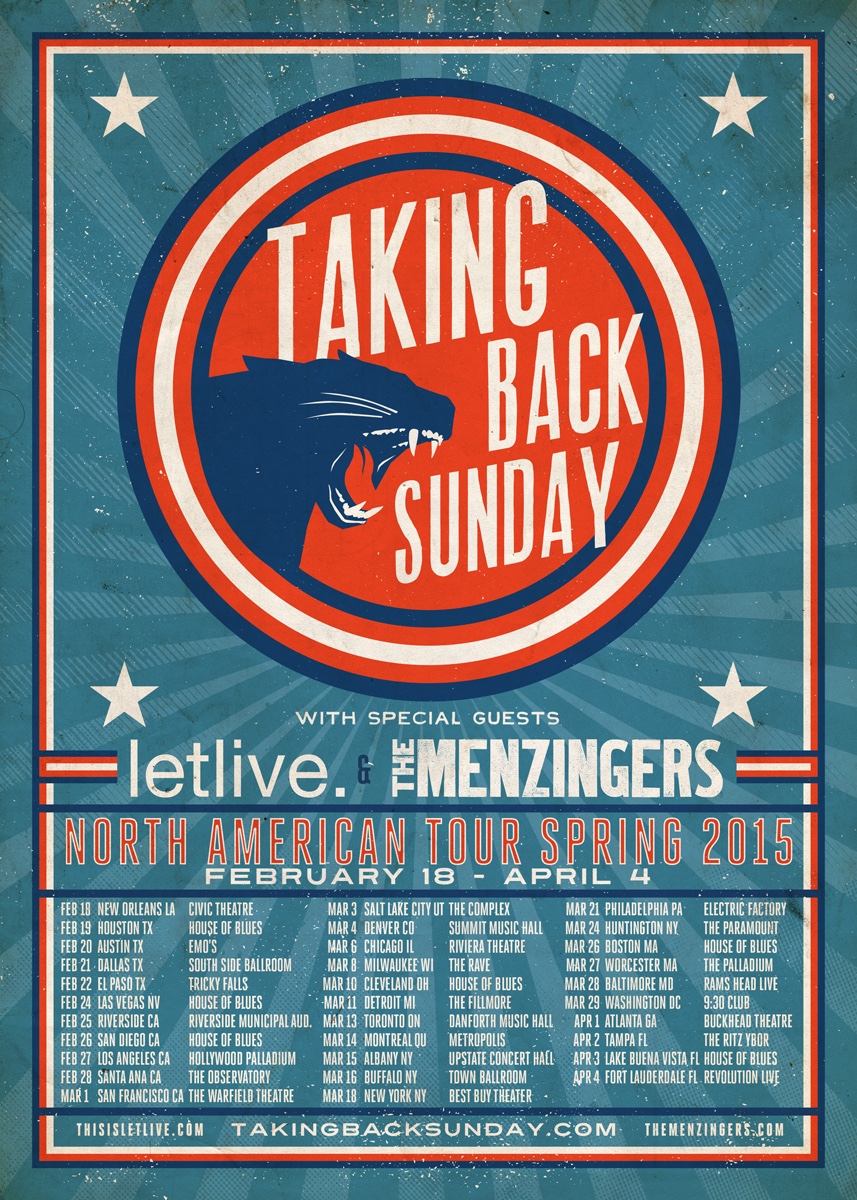
letlive. Spring Tour

letlive. Spring Tour

Little known fact: I used to play guitar for letlive. I couldn’t be happier to see the success that letlive. has earned the past few years, and they keep getting better. With all the articles surrounding how artists are struggling to make an honest living from creating music, one of the absolute best ways to support an artist is to see them perform live. There isn’t a band in the world more authentic, truer to their fans, truer to their vision, nor as dedicated as Jason Butler and letlive. Show support, I’ll see you at the Palladium.

Spotify CEO Daniel Ek responds

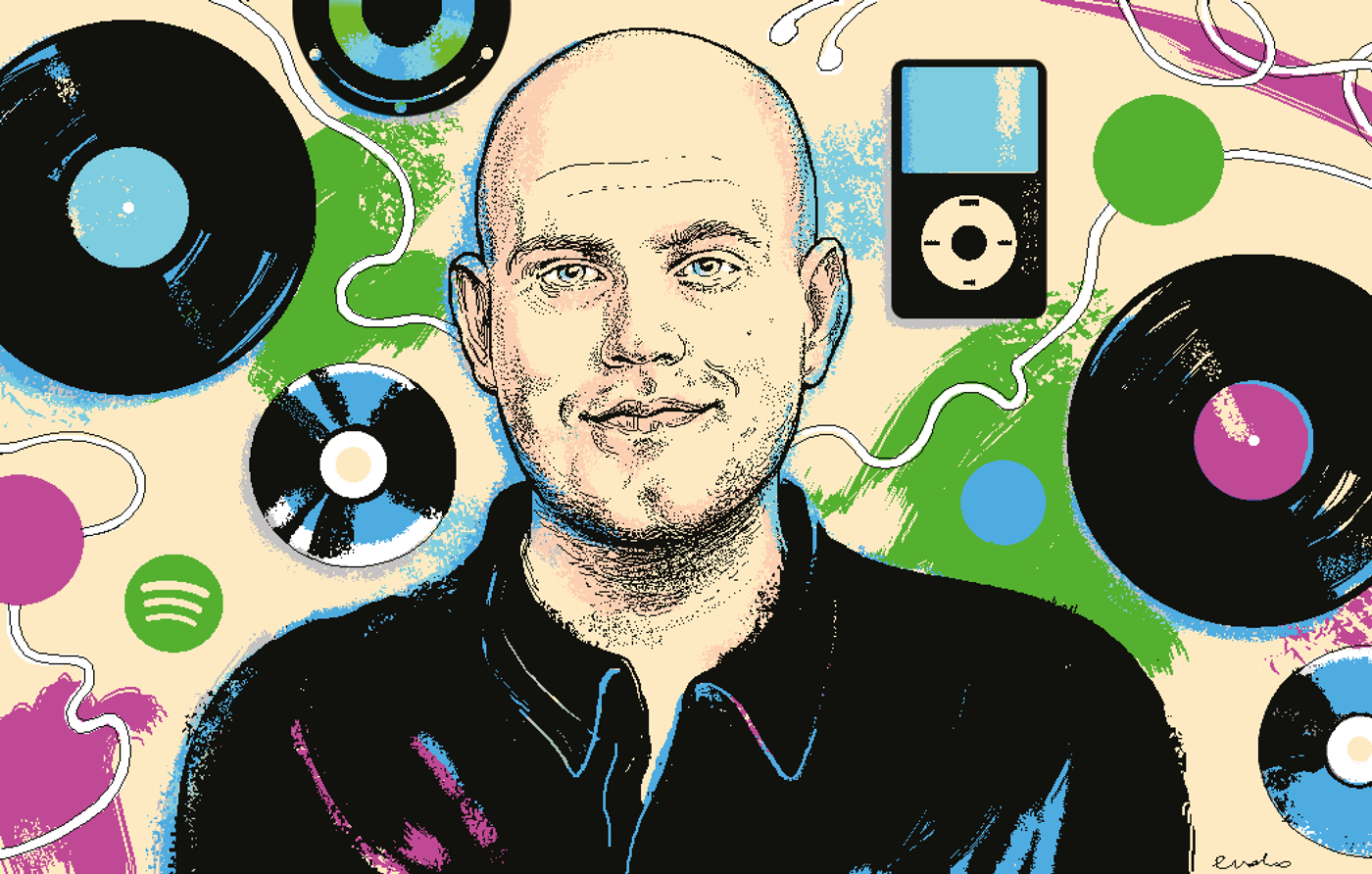
Daniel Ek, CEO of Spotify, wrote a blog post to clarify Spotify’s position on Taylor Swift pulling her catalog from Spotify, artist payouts, and Spotify’s business model in general. A few select pieces that stuck out to me:

Piracy doesn’t pay artists a penny – nothing, zilch, zero. Spotify has paid more than two billion dollars to labels, publishers and collecting societies for distribution to songwriters and recording artists. A billion dollars from the time we started Spotify in 2008 to last year and another billion dollars since then. And that’s two billion dollars’ worth of listening that would have happened with zero or little compensation to artists and songwriters through piracy or practically equivalent services if there was no Spotify – we’re working day and night to recover money for artists and the music business that piracy was stealing away.

True, piracy doesn’t pay artists money directly, but the one thing piracy does that no other model with money involved can provide is broaden the audience that it can reach. If your music is free there are the fewest amount of barriers between the artist and the listener which can result in a larger fan-base and, thus, revenue. It is not sustainable, of course, but to just paint it as $0 vs. $2 billion isn’t accurate.

Spotify has paid more than two billion dollars to labels, publishers and collecting societies…

As I said, we’ve already paid more than $2 billion in royalties to the music industry…

Now, let’s look at a hit single, say Hozier’s ‘Take Me To Church’. In the months since that song was released, it’s been listened to enough times to generate hundreds of thousands of dollars for his label and publisher.

At our current size, payouts for a top artist like Taylor Swift (before she pulled her catalog) are on track to exceed $6 million a year…

Not once did he mention how much money goes to the artist. It is a bit unfair to expect him to know what those numbers actually are because it will fluctuate with each artist depending on many factors such as contracts and amount of splits involved, but to just gloss over what the artist is actually receiving is disappointing, if not somewhat deceiving. The main gripe is about an artist being able to earn a living, and this piece posits that a blanket payout to the entire music industry of $2 billion makes everything right.

He also mentions the theory behind their “freemium” model:

We believed that as fans invested in Spotify with time, listening to their favorite music, discovering new music and sharing it with their friends, they would eventually want the full freedom offered by our premium tier, and they’d be willing to pay for it.

Then later in the piece adds:

We don’t use music to drive sales of hardware or software. We use music to get people to pay for music.

I’m pretty sure that the “full freedom offered by our premium tier” is not unlocking more music to listen to, but rather the features in the software that allow users to listen music more freely. That is using music to drive the sales of software, or software as a service.

Don’t get me wrong, I think Spotify is a great service. Most everyone I know has a subscription. But as I mentioned before, Spotify is a piece of technology, music is the king and must be treated as such. There just has yet to be the proper balance of technology, music, and monetization that works for all players in the music industry.

Steve Nash’s open letter to Lakers fans

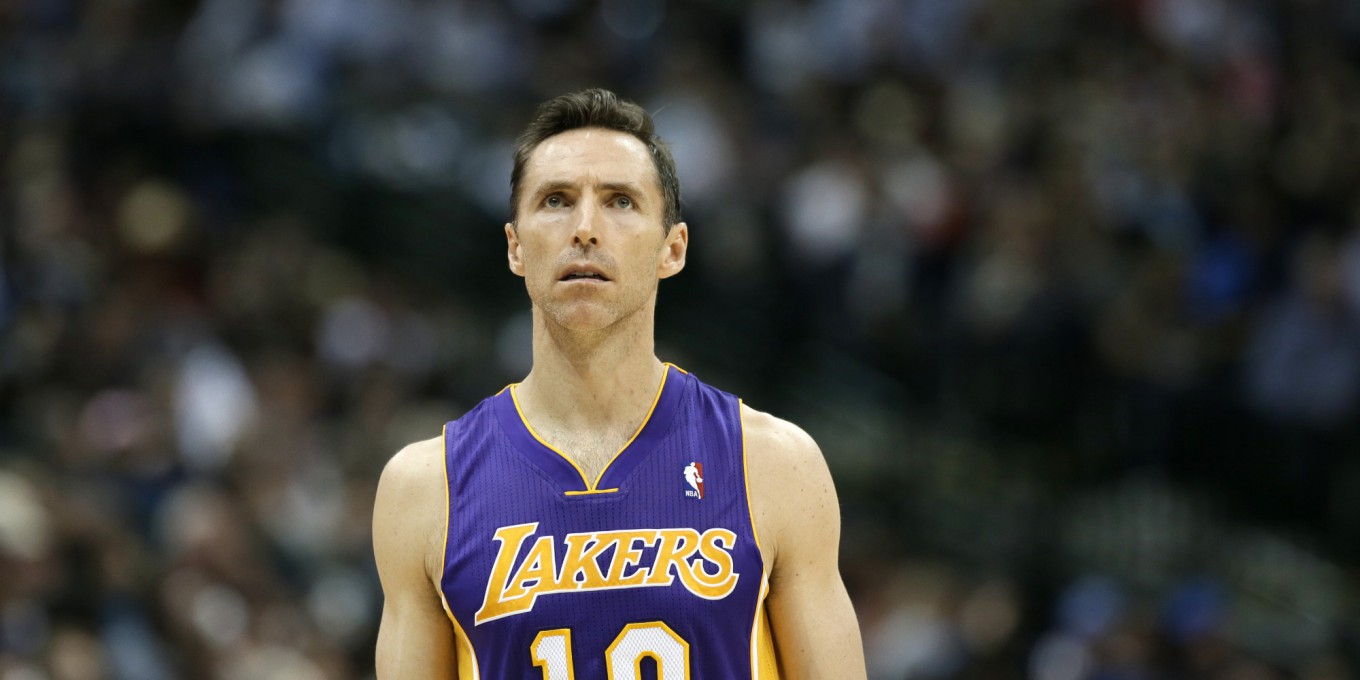
Steve Nash writing an open letter to Lakers fans on his Facebook page:

I definitely don’t want to be a distraction, but I felt it best everyone heard from me in my own words.

I have a ton of miles on my back. Three buldging disks (a tear in one), stenosis of the nerve route and spondylolisthesis. I suffer from sciatica and after games I often can’t sit in the car on the drive home, which has made for some interesting rides. Most nights I’m bothered by severe cramping in both calves while I sleep, a result of the same damn nerve routes, and the list goes on somewhat comically. That’s what you deserve for playing over 1,300 NBA games. By no means do I tell you this for sympathy – especially since I see these ailments as badges of honor – but maybe I can bring some clarity.

I’ve always been one of the hardest workers in the game and I say that at the risk of what it assumes. The past 2 years I’ve worked like a dog to not only overcome these setbacks but to find the form that could lift up and inspire the fans in LA as my last chapter. Obviously it’s been a disaster on both fronts but I’ve never worked harder, sacrificed more or faced such a difficult challenge mentally and emotionally.

I understand why some fans are disappointed. I haven’t been able to play a lot of games or at the level we all wanted. Unfortunately that’s a part of pro sports that happens every year on every team. I wish desperately it was different. I want to play more than anything in the world. I’ve lost an incredible amount of sleep over this disappointment.

Competitiveness, professionalism, naiveté and hope that at some point I’d turn a corner has kept me fighting to get back. As our legendary trainer Gary Vitti, who is a close friend, told me, ‘You’re the last to know’ – and my back has shown me the forecast over the past 18-20 months. To ignore it any longer is irresponsible. But that doesn’t mean that life stops.

This may be hard for people to understand unless you’ve played NBA basketball, but there is an incredible difference between this game and swinging a golf club, hiking, even hitting a tennis ball or playing basketball at the park. Fortunately those other activities aren’t debilitating, but playing an NBA game usually puts me out a couple of weeks. Once you’re asked to accelerate and decelerate with Steph Curry and Kyrie Irving it is a completely different demand.

I’m doing what I’ve always done which is share a bit of my off-court life in the same way everyone else does. Going forward I hope we all can refocus our energies on getting behind these Lakers. This team will be back and Staples will be rocking.

I really like this. Whether this was inspired by Steve himself or his publicist, I think this is very tasteful and gives Lakers fans some perspective on his time in Los Angeles. Any fans that are upset about this letter didn’t fully comprehend the pain, both physical and emotional, and disappointment that is exuded from this letter. Class act, Steve.

Why can’t I stop playing Destiny?

Three words: Phantasy Star Online. Destiny’s likeness to one of my favorite games of all time is uncanny in many ways and that nostalgic appeal is a huge factor as to why I can’t stop playing. But with Phantasy Star Online, I eventually stopped playing. The day that happened was the day that I reached the maximum level of 100. I very literally hit level 100, finished the mission I was doing, shut the game off, and never played a single minute afterwards. There was no point. The game, while extremely fun and enjoyable, was very repetitive in nature and I had obtained all the best weapons and items that the game had to offer. But every minute that I wasn’t yet level 100, I yearned to play it and it drew me in with that goal of finally reaching the maximum level.

Now, Destiny was released on September 9th, 2014. In the 2 months since it’s release I have racked up 120 hours of play time, or an average of 2 hours every single day since launch! That is absurd… and for some reason I can’t stop. And by “some reason” I’m referring to the exact same reason I couldn’t stop playing Phantasy Star Online. The difference here, though, is that there are many reasons why I would want to stop playing Destiny. From the repetitive nature of basically all aspects of the game, to the downright nascent storyline, there is very little substance being provided, especially when it comes to genuinely unique and original substance. Every day there are bounties and a daily mission to grind, and every week there are strikes and the raid mission to grind.

But the way that Bungie has set up the leveling system in Destiny is such that in order to reach the maximum level in the game (the only real objective left) is to equip a particular combination of 4 pieces of armor. One of which (the exotic type) may be obtained by in-game vendors, and the other 3 must be obtained as a random drop from the raid. Because of this, it is effectively randomized who is able to reach the maximum level of 30. And because of my shitty luck in this random chance, I keep playing.

Oh, and also because of this.

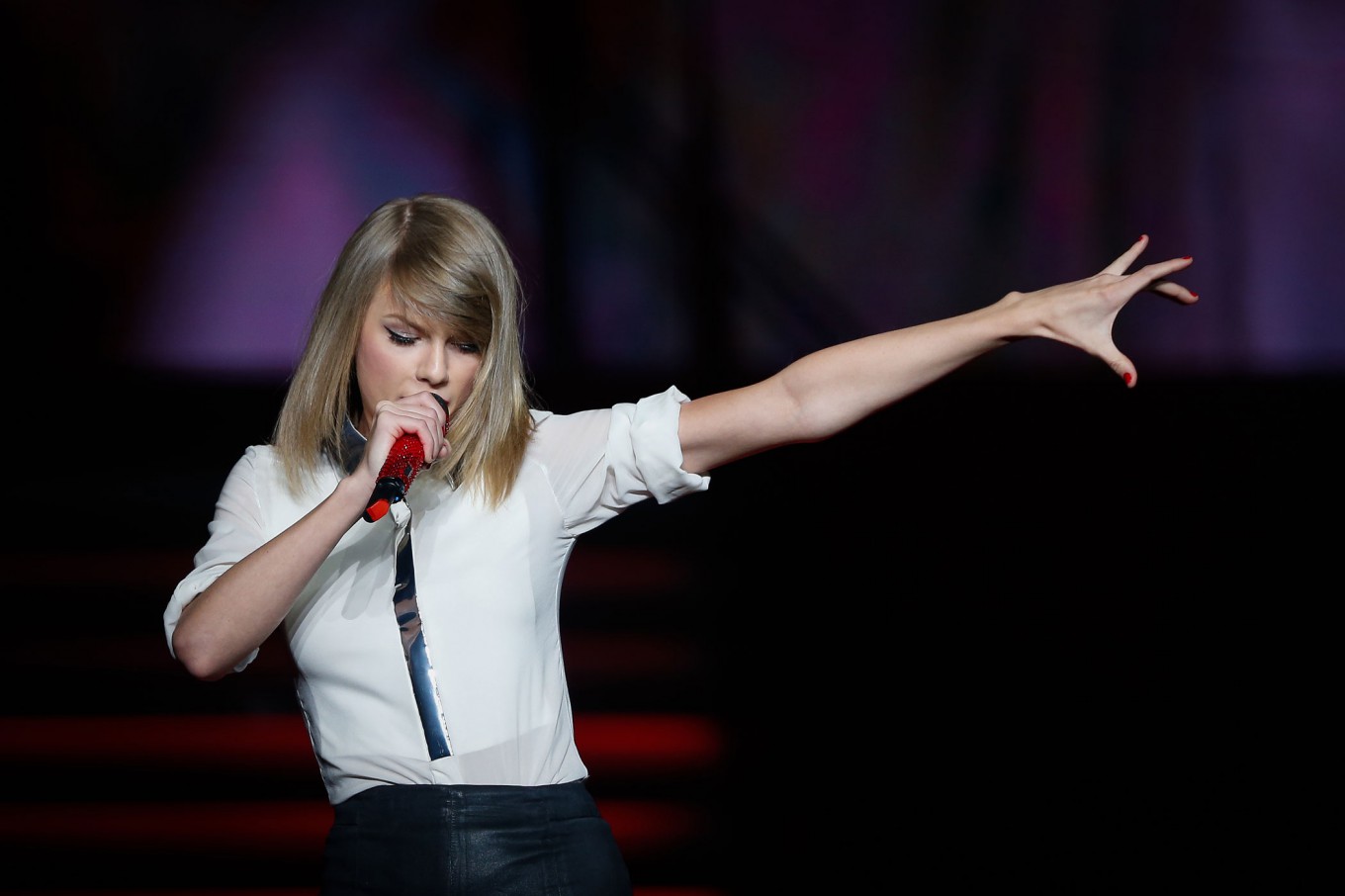
Taylor Swift and the implications of streaming music

Taylor Swift being interviewed for a piece on Yahoo Music:

If I had streamed the new album, it’s impossible to try to speculate what would have happened. But all I can say is that music is changing so quickly, and the landscape of the music industry itself is changing so quickly, that everything new, like Spotify, all feels to me a bit like a grand experiment. And I’m not willing to contribute my life’s work to an experiment that I don’t feel fairly compensates the writers, producers, artists, and creators of this music. And I just don’t agree with perpetuating the perception that music has no value and should be free. I wrote an op-ed piece in the Wall Street Journal this summer that basically portrayed my views on this. I try to stay really open-minded about things, because I do think it’s important to be a part of progress. But I think it’s really still up for debate whether this is actual progress, or whether this is taking the word “music” out of the music industry. Also, a lot of people were suggesting to me that I try putting new music on Spotify with “Shake It Off,” and so I was open-minded about it. I thought, “I will try this; I’ll see how it feels.” It didn’t feel right to me. I felt like I was saying to my fans, “If you create music someday, if you create a painting someday, someone can just walk into a museum, take it off the wall, rip off a corner off it, and it’s theirs now and they don’t have to pay for it.” I didn’t like the perception that it was putting forth. And so I decided to change the way I was doing things.

There are a lot of pieces to this puzzle… I’ll start with the consumer perspective:

Spotify, amongst its streaming brethren, is nearly the holy grail for the consumer. Nearly (i.e. nearly the holy grail) any song, any time, for just $10 per month ($5 per month if you’re a student!). It sounds too good to be true, and I’ll explore a bit later on if that indeed is the case. I’ve tackled the subject of streaming music before, and the issue comes down to value. If the average consumer streams let’s say 5 hours of music per week on Spotify, or 20 hours per month, and the average song length is 4 minutes, we’re looking at a total of 300 songs for a total of $10, or $0.0333 per song (and I believe I have taken very conservative numbers here). Spotify’s model boils the value of each song at pennies each, which then are split amongst Spotify’s overhead, record labels, publishers, songwriters, producers, and artists. The price of what you pay is significantly off from the price of what you get, and the ones creating the music are on the shit end of the stick. But is this Spotify’s fault?

From Spotify’s perspective:

After seeing the music industry shift from hard copy sales to digital copy sales, along with technology evolving to a world where everyone has broadband speeds in their pocket, why not have a “Netflix for music”? The only main dependency piece is the actual content. After years of being available elsewhere in the world, Spotify was able to ink contracts with the US major record labels and bring their service to the states. Spotify’s price point is a huge, if not the main appeal to customers and without conceding a price hike and sharing more revenue with the major record labels, the lowest possible price is negotiated at both ends, for the consumer, and the amount of revenue split with the labels. It’s a price point that has demonstrated itself to be effective in terms of consumer base and sustainability. Or is it?

From the music creator’s perspective:

Whether you fill any of the roles I mentioned previously, there is very little money to begin with when using Spotify’s model, and after it gets through everyone’s share there’s even less. Data has been showing that digital downloads of songs has been steadily declining, so how else can you have your music be heard if Spotify is where are the listeners are? If you’re Taylor Swift, you can afford the risk of pulling your album from Spotify, and in her case it paid off and then some. Her album 1989 is the first and, at the time of this writing, the only album released in 2014 to go platinum, selling more than 1 million copies in the first week alone.

But this has some pretty huge implications:

Are other artists going to follow suit? Perhaps not smaller artists because those that are still attempting to grow their fan base would simply do the opposite by pulling their music from Spotify, but because of the clout that Taylor Swift has and the success that was demonstrated by her album sales, it could lead to many major artists abandoning Spotify, if only for the initial launch period of their latest releases in order to drive sales. But let’s say that for argument’s sake that major artists decide to pull their catalogs from Spotify permanently and not just for their launch period… Spotify will be screwed. When it comes down to it, the content is king, and in this case the content is music. Without music to stream, Spotify is a piece of streaming technology, cold and empty fulfilling no purpose. The sad thing about this whole thing is the fact that the piece filling that cold void is not being treated as such.
Star Wars Episode VII: The Force Awakens

One could argue that force is always up, either light side or dark side. So, when was it asleep? The single biggest gripe that I’ve always had with Star Wars lore was the fact that the force gets referred to as an “ancient religion” just years after the Jedi Council flourished. I suppose that mentality could be the argument for the force being asleep.

The original trilogy fan in me is super excited. The fan in me that watched the prequels is extremely pessimistic. But, all things considered, it is still very hard to not be excited. Also despite arguments above, I’m a fan of the subtitle. I just hope that the force actually awakens in this movie, unlike how the clones “attacked” in Episode II… in the final minutes of the film.

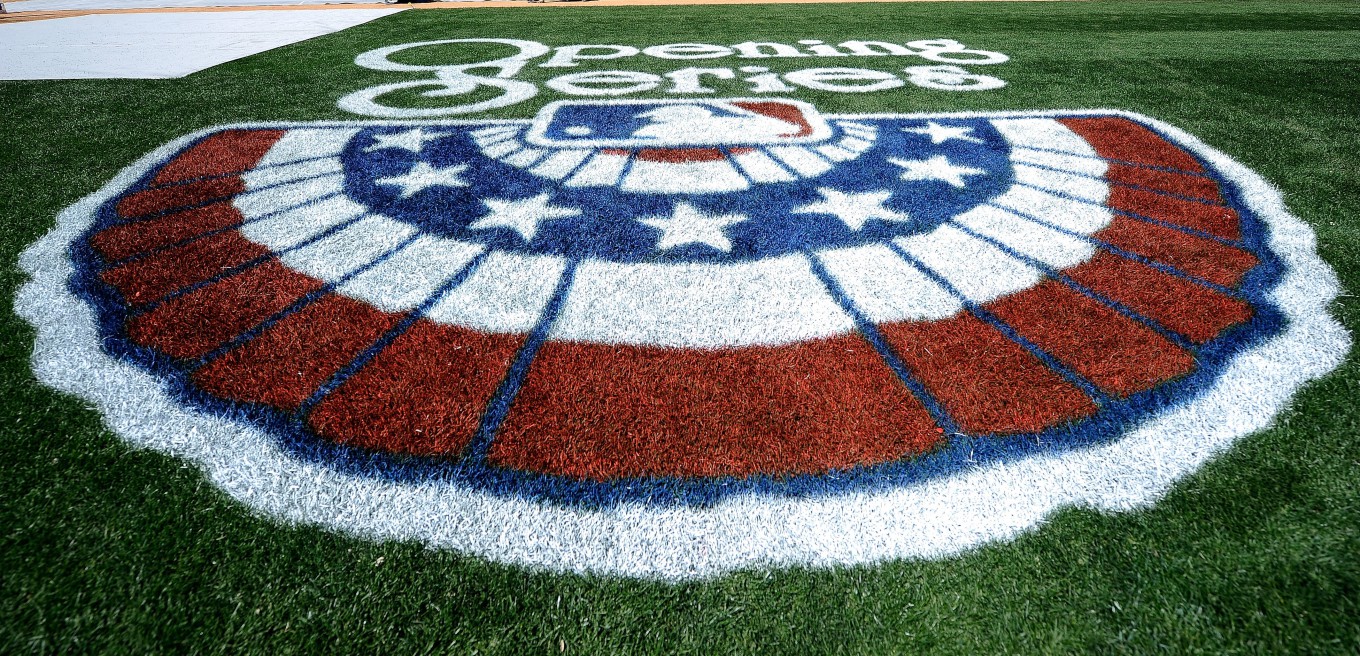
Dodgers Opening Day 2011

All Materia: A blog of stuff I love, hopefully you’ll like

On any given day I browse through my news feed (not the Facebook kind), and occasionally I wonder if the variety of publications that I am subscribed to is as unique as my multi-cultural background (have you met anyone that is 1/2 Puerto Rican and 1/2 Persian?). This curiosity has led me to the hope that there are those who may be interested in a single publication that covers that strange amalgamation of topics that I hold dear to my heart.

What topics you may ask? Well, I break it down into a few high-level categories, each with their own specific sub-categories, but know that this is not an all-inclusive list by any means, nor is it in any particular order.

[bullets type=”tick” style=”light-blue”]

  • Nerdism
    • Star Wars
    • Videogames
    • Technology
    • Internet
  • Music
    • Punk
    • Recording
    • Music Production
    • Music Industry
  • Baseball
    • Dodgers
  • Design
    • Innovation
    • Everything

[/bullets]

Safe to say none of these are mutually exclusive and there are certainly many areas of crossover between these categories and sub-categories. I look forward to writing about stuff that I love, and hopefully you’ll like it. If you don’t, go fuck yourself because there are this many other websites you can be reading right now instead.